A vendor didn’t deliver. A client won’t pay. A partner walked. Before you decide whether you have a case, there are a few things worth doing... and a few worth avoiding.
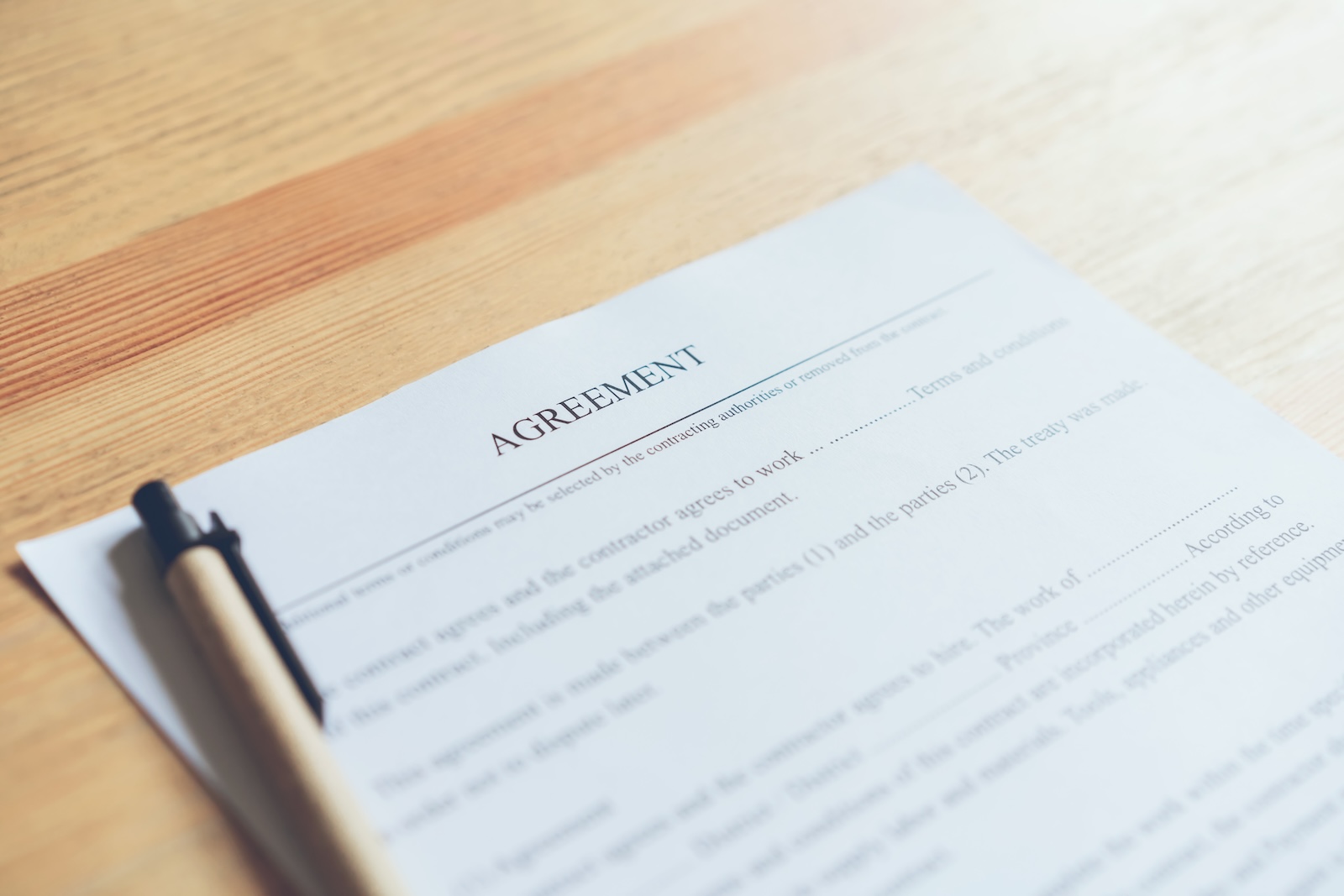
A vendor missed the deadline or now claims the scope was different. A client has gone silent on a ninety-day-old invoice. A partner left a project halfway through and took the work product with them.
The instinct is to figure out who is right. That is usually the wrong first question because in reality, it does not determine what happens next.
What determines what happens next is narrower: what the contract says, what you can prove, and what it will cost to pursue. Those three things decide the outcome far more often than the moral shape of the dispute does.
Not the version you remember. Not the draft you sent. The executed one, with whatever got changed in the last round of edits before signature.
This sounds obvious but is often skipped. Deals get amended by email, scopes adjusted in calls, and statements of work supersede parts of the master agreement. The governing document is often not the one either side expects.
Find it, read it start to finish with an objective view. Leave emotions aside.
Most people have never read the back half of their own contracts. That is where the dispute is actually going to be resolved.
Notice provisions. These clauses explain how formal notice must be given — in writing, to a named person, at a specified address, sometimes by certified mail or courier. This clause trips up more small businesses than any other. For example, if the contract requires certified mail and you sent an email, you may not have given notice at all, meaning your clock never started and your termination was ineffective.
Cure periods. Many agreements say the other side gets a defined window (10 days, 30 days, etc.) to fix a breach after being notified of it. You often cannot simply walk away the moment something goes wrong. You have to say what is wrong, in the required form, and give them the chance to correct it.
Termination rights. What each side can terminate for, with how much notice, and what happens to work already delivered, and money paid (or unpaid).
Limitation of liability. A cap on what either side can recover, often set at fees paid in some preceding period. If your damages are $200,000 and the cap is the $30,000 you paid last quarter, that reshapes the entire strategy before you respond or file anything.
Dispute resolution. Whether disputes go to court or to arbitration, whether mediation is required first, which state’s law applies, and where any proceeding has to happen. A clause sending you to arbitration in another state changes the economics substantially.
Fee-shifting. Whether the losing side pays the winner’s legal fees. Its presence or absence changes what a rational person does with a mid-sized claim more than almost anything else in the document.
This is the part where recoverable situations most often get worse.
Two further wrinkles. Contracts themselves sometimes impose a shorter deadline than the statute would give you, and that shortened period is often enforceable. And when the clock starts — at the breach, or at the point you reasonably should have discovered it — is a question different states answer differently.
The practical consequence is simple enough: do not assume you have as long as you think, and do not assume that what applied to a friend’s dispute in another state applies to yours. It is a quick thing to get answered and an expensive one to get wrong. Waiting also erodes the practical leverage you have while the relationship is still live and the other side still wants something from you.
Before anything escalates, gather:
If there is any real prospect of a formal dispute, stop routine deletion — automatic email purges, chat retention limits. Losing records because a retention policy ran on schedule is an avoidable problem that could look bad later.
Disputes escalate in steps, and the vast majority stop well before the top.
A direct conversation. Often genuinely effective, particularly where the other side has misunderstood something or is having a cash flow problem they would rather solve than litigate.
Formal notice under the contract. Using the mechanism the agreement provides — the right form, the right recipient, the right timeline. This is frequently the moment the other side starts taking it seriously, and it preserves your rights if things continue.
A demand letter from counsel. Sets out the position, the basis, and what you want. Many disputes resolve here, because it is the first point at which the other side has to price the alternative.
Mediation or arbitration, if the contract requires it. If your agreement names an administrator — the American Arbitration Association is the one most commonly specified in US commercial contracts — its published rules and fee schedules are worth reading before you commit to that path, because they determine much of what the process will cost.
Litigation, which is expensive, slow, and public, and which is why most matters settle before reaching it.
Knowing this ladder matters because it tells you that the early rungs are cheap and the later ones are not. Effort spent getting the early steps right is the highest-return work in the whole process.
Before pursuing a claim, it is worth being blunt about the arithmetic: what is the realistic recovery, what does the liability cap allow, what will it cost to pursue, and is there a fee-shifting clause?
A $15,000 dispute with a $30,000 liability cap and no fee-shifting is a different decision from a $200,000 dispute with fees recoverable. Sometimes the right answer is a negotiated resolution well below what you are owed, because the alternative costs more than the difference. That is not defeat. It is arithmetic, and it is better done at the start than after spending money to reach the same conclusion.
Earlier than most people do. The reason is not that early advice is more thorough but that leverage is highest before anyone takes a position they cannot walk back.
The most valuable thing counsel does in a contract dispute is usually not litigation. It is reading the agreement properly, telling you what your position actually is, and helping you avoid the self-inflicted move that turns a strong position into a contested one.
That is a small piece of work relative to what is usually at stake, and it is the core of what Rootmark Law’s contracts and disputes practice does.
If you are unsure whether you have a case, that uncertainty is itself the reason to ask. The answer is often clearer than it feels from inside the situation — and either way, knowing is what lets you decide what to do next on purpose rather than by reaction.
This is general information, not legal advice, and reading it does not create an attorney-client relationship. The analysis in any specific matter depends on the agreements and the facts involved. If you'd like to discuss your situation and if we can help, Rootmark Law offers a free 15-minute intro call. Please email info@rootmarklaw.com or call or text (678) 999-3465.
